
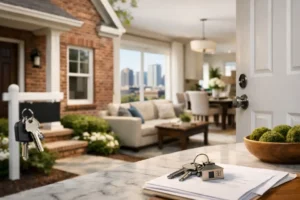
A Birmingham listing can attract serious attention quickly, but only if the home gives buyers confidence from the first photo through the final walk-through. To prepare a Birmingham home for sale, focus first on the details that affect perceived care, pricing leverage, and a buyer’s willingness to move forward without asking for major concessions.
This is not a call to renovate every room or chase every design trend. It is a disciplined process of deciding where preparation will protect your equity and where spending more will not produce a meaningful return. In a market where buyers compare homes closely, a clean, well-positioned property can feel distinctly more valuable than a similar home that looks like a project.
Start With a Pre-Listing Strategy, Not a Weekend Project
Before ordering mulch, repainting cabinets, or moving furniture into storage, get a clear view of the home’s market position. Birmingham buyers may be comparing a downtown condominium, a classic home near Quarton Lake, an updated property in Poppleton Park, or a larger residence closer to Woodward. The competition changes by price range, condition, architecture, lot, and location.
A strong pre-listing review identifies the features buyers will value most, the condition issues likely to come up in showings or inspections, and the homes your property will actually compete against. That last point matters. Your neighbor’s sale from last spring may be interesting, but it is not automatically the right pricing benchmark for your home today.
Ask direct questions before spending money: Is the kitchen dated but functional, or does it actively hold the home back? Is a roof, furnace, or window concern likely to become a negotiation issue? Would professional staging improve the way the floor plan reads online? Clear answers prevent sellers from putting money into improvements that look nice but do little for the final result.
Handle Repairs That Can Damage Buyer Confidence
Buyers expect different levels of finish depending on the property, but they are consistently alert to deferred maintenance. A loose handrail, leaking faucet, sticking door, stained ceiling, cracked windowpane, or exposed exterior wood may seem minor on its own. Together, those details suggest that larger problems could be waiting behind the walls.
Start with visible repairs and basic systems maintenance. Service the HVAC if it is due, address active plumbing leaks, replace burned-out bulbs, secure railings, repair damaged screens, and make sure doors and windows operate properly. If a basement has moisture history, do not try to cover it with fragrance or a fresh rug. Resolve the source where possible and be prepared to discuss the work honestly.
For older Birmingham homes, sellers should also be thoughtful about character details. Original millwork, solid wood doors, plaster walls, and period hardware can be assets when maintained well. Replacing every original element with a generic, low-cost alternative can weaken the home’s appeal. The goal is not to make a historic or traditional home look brand new. It is to show that its character has been cared for.
Major projects require more caution. A full kitchen remodel rarely makes sense solely because a home is going on the market, particularly if buyers may prefer a different style. If a larger issue is unavoidable, such as a failing roof or unsafe electrical condition, compare the cost of repair against the likely buyer discount and financing risk. The right decision depends on the home’s price point and the depth of buyer demand.
Make the Exterior Earn the First Showing
Online photos get the click, but curb appeal determines whether buyers arrive expecting a well-kept home or a negotiation opportunity. Birmingham’s tree-lined streets and distinctive housing stock set a high visual standard. A neglected exterior is more noticeable when buyers have several polished options to tour the same afternoon.
Begin with the approach to the front door. Trim overgrown shrubs, edge the lawn, remove weeds, refresh dead landscaping, and clean the porch, steps, gutters, and visible windows. A freshly painted front door can make a meaningful difference if the existing finish is faded or peeling. House numbers, exterior light fixtures, and the mailbox should be clean and functional.
Do not overlook the rear yard. Buyers often walk outside during a showing and picture how they will use the space. Clear away unused furniture, cover or organize garden supplies, and make patios, decks, and walkways look usable. You do not need a resort-style backyard. You need a space that feels maintained, private, and easy to enjoy.
Edit and Stage for the Way Buyers Shop
Most buyers first see your home on a phone screen. That makes light, scale, and visual clarity part of the sales strategy, not decoration. Before photography, remove personal collections, excess furniture, countertop appliances, pet items, and anything that makes a room feel smaller or harder to understand.
Decluttering is not the same as making the home empty. A vacant or overly stripped house can feel cold, especially in larger rooms. Keep enough furniture to show purpose and flow. A spare bedroom should not become a storage room. A dining area should read as a dining area. If a lower level is a family room, office, or fitness space, present it with a clear use rather than a mix of leftover belongings.
Neutral paint can help when walls are heavily personalized, dark, or marked up. That does not mean every room must be beige. The best choices are clean, cohesive, and appropriate for the home’s style. Professional cleaning is equally important. Buyers notice kitchens, bathrooms, flooring, baseboards, glass, and odors immediately, even when they cannot explain why a home feels less appealing.
If professional staging is recommended, consider it as a marketing expense rather than a cosmetic extra. It can be particularly useful for vacant homes, unusual layouts, large living spaces, and properties where furniture scale is working against the room. It is not necessary in every listing, but it should be evaluated based on the likely buyer, competition, and price range.
Prepare the Information Buyers and Inspectors Will Ask For
A smooth sale depends on documentation as much as presentation. Gather records for major improvements, permits when applicable, warranties, service invoices, utility information, and manuals for equipment that will stay with the home. If you replaced the roof, updated the electrical panel, waterproofed a basement, installed a generator, or remodeled a bathroom, those records support the home’s story.
You should also be ready to complete required disclosures carefully and accurately. Sellers are best protected by being straightforward about known conditions, prior repairs, and material issues. Trying to avoid an uncomfortable conversation early can create a much more expensive problem later.
If you expect to sell while buying another home, plan the logistics before the listing goes live. Decide where you will go during showings, how quickly you can leave the house, what items must be packed first, and whether timing or occupancy needs may affect negotiations. A strong offer is not just about price. Closing date, inspection terms, appraisal risk, financing strength, and possession can all change the real value of an offer.
Price From Evidence, Then Launch With Purpose
Overpricing is often presented as a harmless way to leave room for negotiation. In reality, it can reduce early urgency, lengthen market time, and make a later price adjustment look reactive. The first days on market are when a listing is newest and most visible to qualified buyers who have been waiting for the right home.
Price should reflect recent comparable sales, current competition, condition, buyer demand, and the specific advantages of your property. A renovated home on a desirable street may justify a different strategy than a similarly sized home that needs work. Square footage alone does not settle the question, particularly in Birmingham where design, updates, lot utility, walkability, and school preferences can affect buyer perception.
Once the strategy is set, launch with professional photography, accurate property details, a showing plan that respects your schedule, and fast follow-up on buyer interest. Zamzam & Associates approaches that process with direct advice, disciplined marketing, and negotiation focused on protecting the seller’s position rather than simply getting a sign in the yard.
The best preparation creates fewer distractions between a buyer’s first impression and their decision to write. Before you spend on the next project, ask one practical question: will this make the home easier to trust, easier to show, or easier to justify at its target price? If the answer is yes, it is likely worth serious consideration.